
🩻 “Massive Life Support” Edition
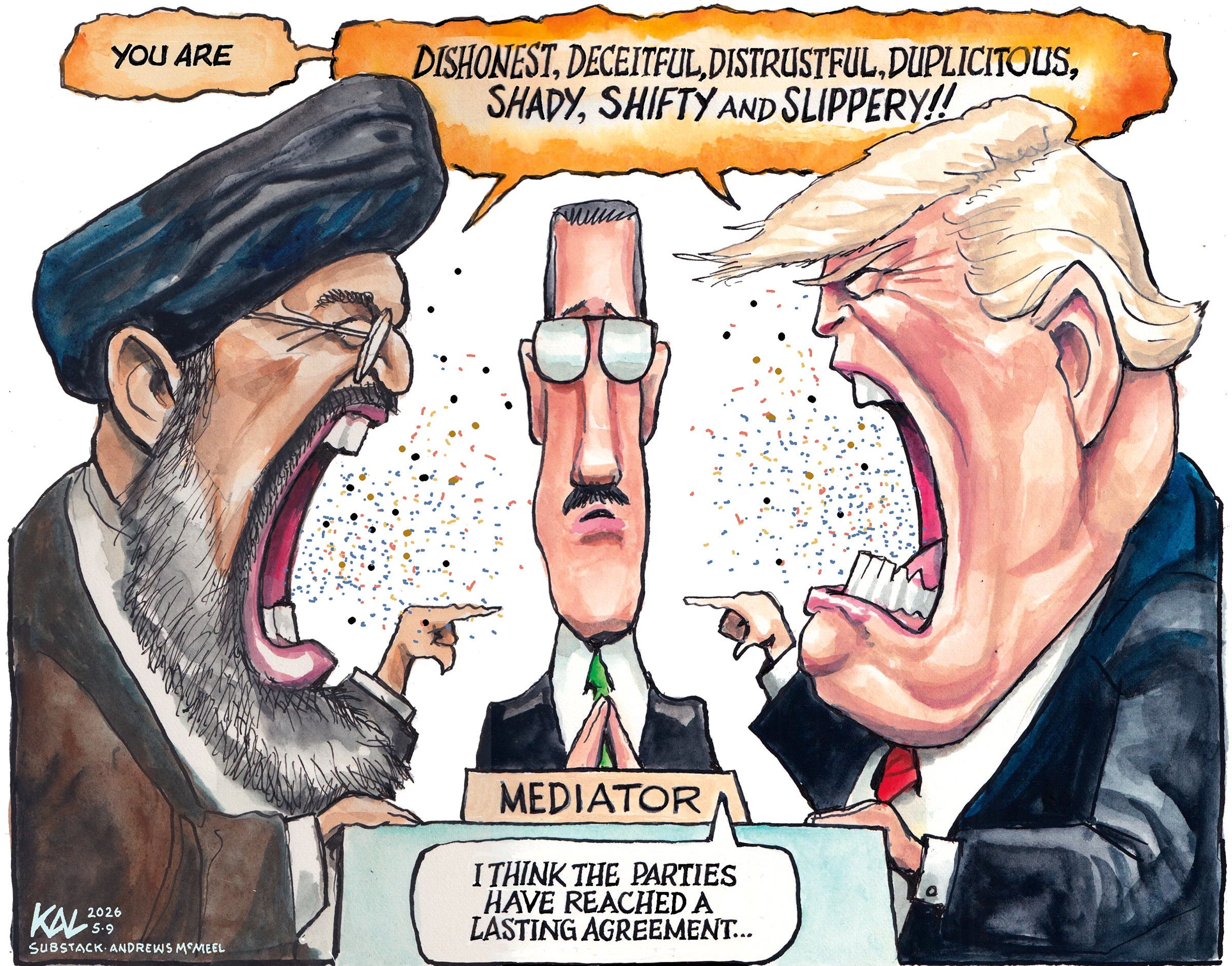
In the latest update from the ever-stable world of international diplomacy, Donald Trump has announced that the Iran ceasefire is alive, well, and currently being kept alive by a metaphorical ventilator, three extension cords, and sheer optimism.
Yes, the ceasefire still technically exists, if you define “exists” as having a 1% survival rate and a doctor quietly suggesting everyone start making arrangements. Trump himself compared it to a loved one on “massive life support,” which is usually not how thriving agreements are described, but does pair nicely with ongoing tensions, rejected proposals, and general geopolitical chaos.
Iran, for its part, submitted a counteroffer involving things like sanctions relief, sovereignty claims, and reparations: minor details that were quickly dismissed as “a piece of garbage,” reportedly before the full document had even been read. Diplomacy, but make it speed-reading.
Meanwhile, both sides continue negotiating under the shared understanding that they are absolutely committed to peace, just as soon as they finish disagreeing on literally everything required to achieve it.
So, the ceasefire is alive, in the same way a cliffhanger character in a season finale is alive. Technically still there, but no one’s betting on the next episode.
KAL - Substack and Andrews McMeel

Bill Bramhall - Tribune Content Agency
Matt Wuerker - Andrews McMeel
Christopher Weyant - cagle.com/weyant

Jeff Daniziger - Tribune Content Agency
Nick Anderson - Tribune Content Agency and Substack
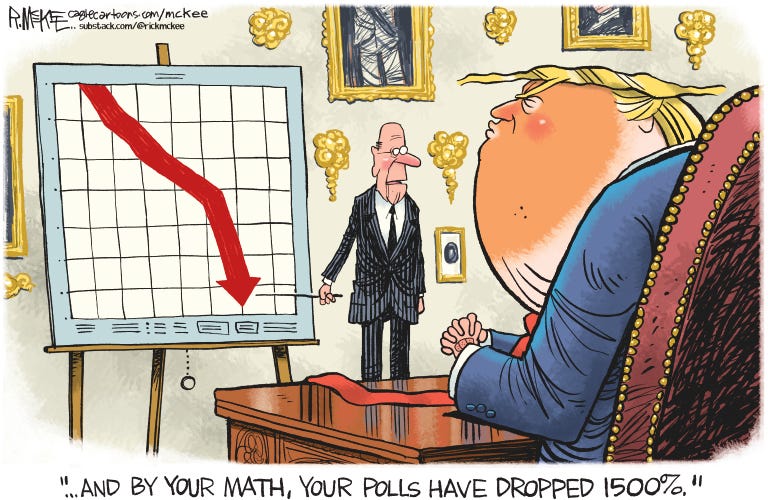
Rick McKee - cagle.com/mckee
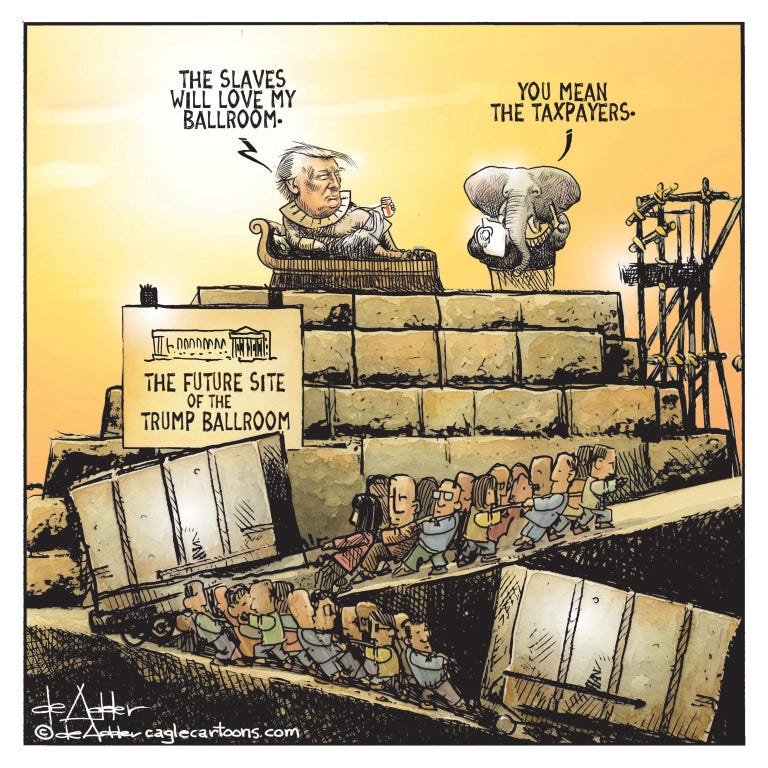
Michael de Adder - cagle.com/de-adder
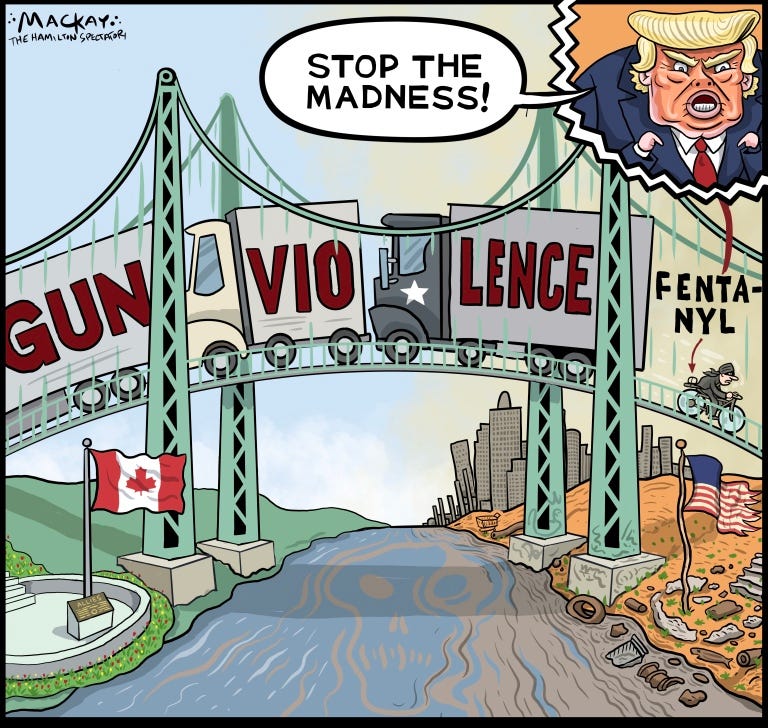
Graeme MacKay - cagle.com/mackay
Canada has spent decades carefully building a reputation as the polite, gun-controlled neighbor, only to discover that its southern border now comes with a complimentary subscription to America’s firearms industry.
Despite stricter laws, Canada is apparently participating in a new cross-border exchange program: the U.S. supplies the guns, and Canada supplies the shocked headlines. Authorities report that the overwhelming majority of crime guns are imported from the United States, proving once again that when it comes to exports, America really believes in volume.
The system is remarkably efficient. Buy a handgun in the U.S. for a few hundred dollars, smuggle it north, and suddenly it’s worth several thousand. It’s basically Etsy, but for violence.
Meanwhile, Canadian cities are getting an exciting cultural upgrade: random shootouts, gang skirmishes, and the kind of everyday gun anxiety that used to be considered more of an American specialty. Police note that what was once rare is now routine.
The tragic part, of course, is that the consequences aren’t theoretical. Innocent people—including children—are being caught in the crossfire.
But on the bright side, this is a shining example of international cooperation. The U.S. provides the hardware, smugglers handle logistics, and Canada deals with the fallout. It’s globalization at its finest. Just not the kind anyone was hoping for.
“Massive life support” is what the President of the United States called a ceasefire he negotiated. His ceasefire. His words.
Iran submitted a counteroffer. It was called garbage before anyone finished reading it. That’s not diplomacy. That’s a man who needed a win and doesn’t know what to do now that he has to maintain one.
A ceasefire isn’t a deal. It’s a pause. And right now the pause is being held together by the same thing that got us here: the hope that nobody does the next stupid thing before somebody figures out what comes after.
The satire lands because the reality earned it.
Reminds me of the old joke about the minister visiting you in the hospital and standing on the oxygen tube.